













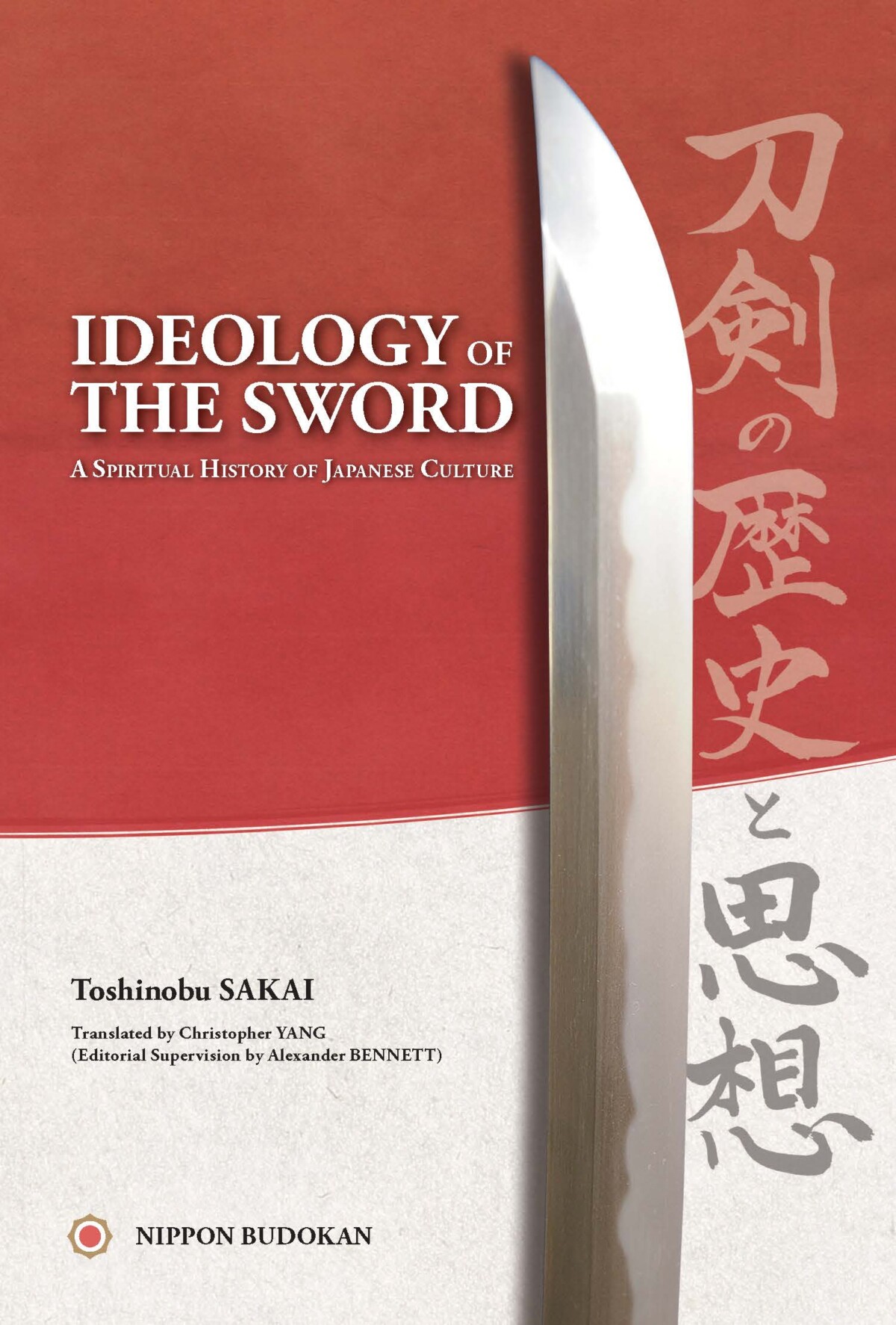
Ideology of the Sword – A Spiritual History of Japanese Culture
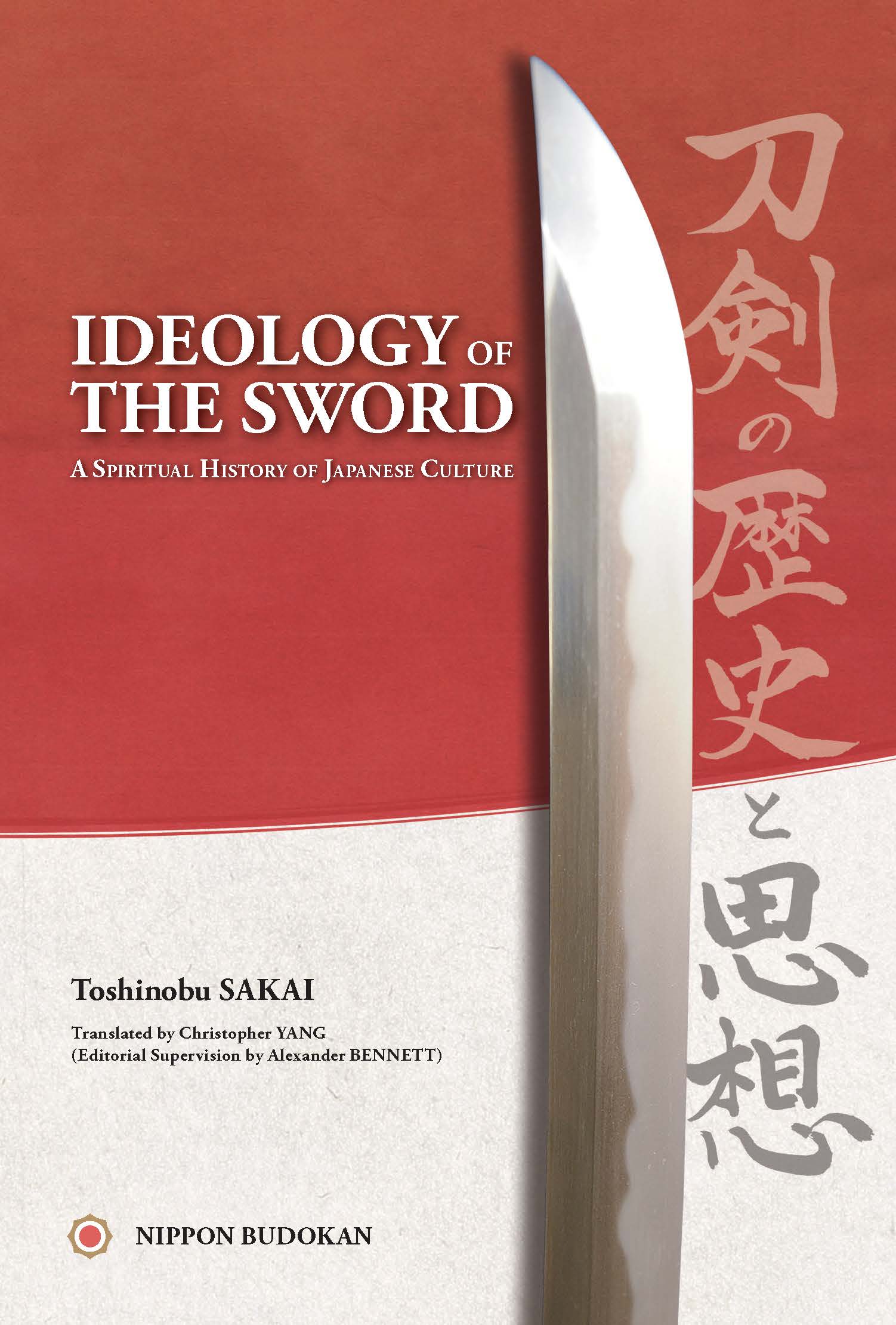
Ideology of the Sword – A Spiritual History of Japanese Culture
By Sakai Toshinobu
Translated by Christopher Yang
(Editorial supervision by Alex Bennett)
Published by the Nippon Budokan and written by budo researcher Professor Toshinobu Sakai of the University of Tsukuba, “Ideology of the Sword – A Spiritual History of Japanese Culture” explores the sword not just as a weapon, but as a sacred object at the heart of East Asian and Japanese culture. Challenging the idea that sword ideology is uniquely Japanese, this book traces its roots through ancient China and Korea before following its transformation within Japan through myth, ritual, literature, and martial practice.
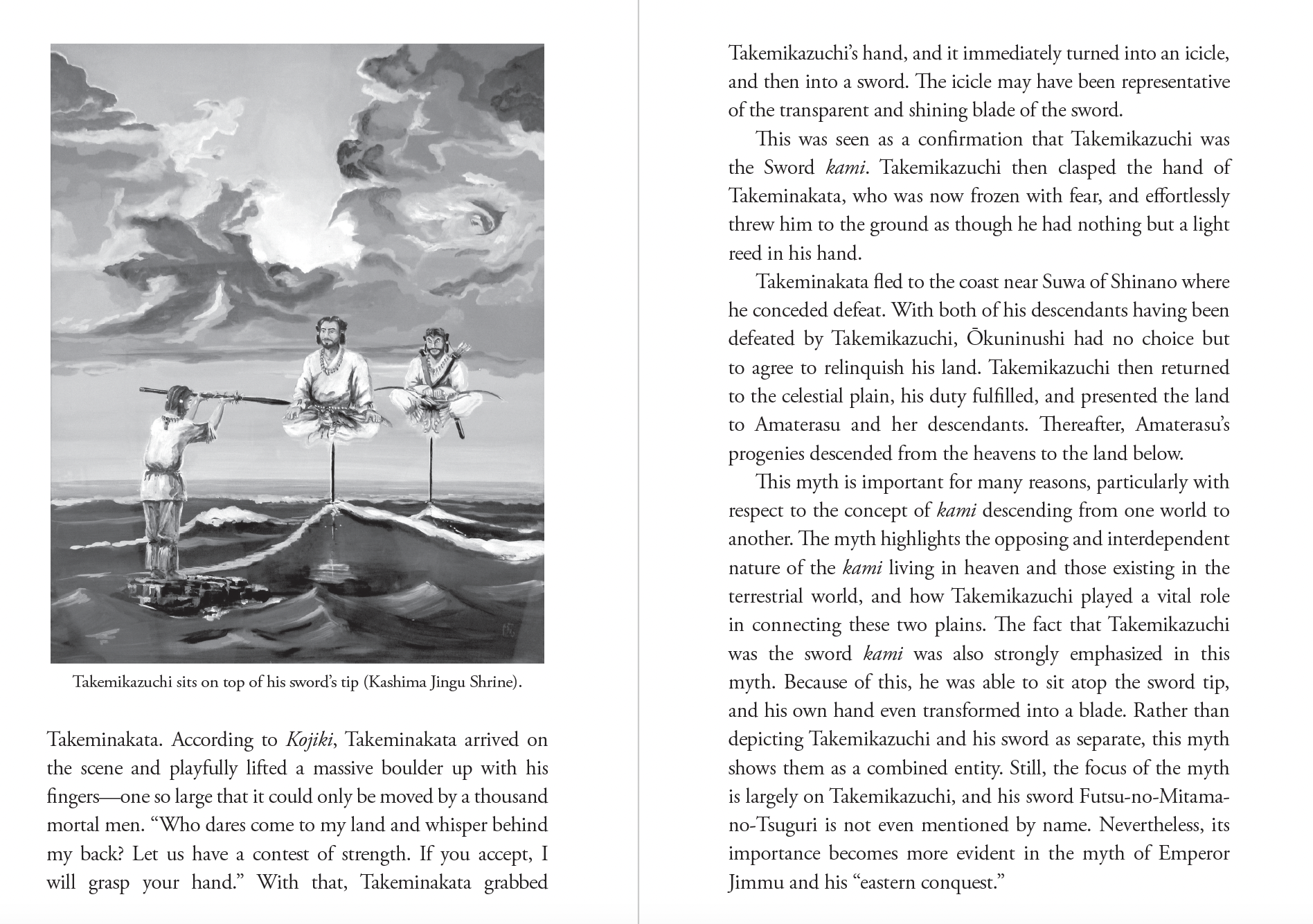
Drawing on reliable historical records, it examines legendary swords, Taoist thought, and other influences alongside the myths of the Kojiki and Nihon-shoki, medieval war tales such as The Tale of the Heike and the Taiheiki, and the symbolism of the Three Sacred Treasures. The book then turns to early-modern kenjutsu traditions, including the transmitted scrolls of Kashima Shinto-ryu and Jigen-ryu, revealing how technical practice became a vehicle for spiritual cultivation.
This book is a cultural and intellectual history of Japan seen through the enduring symbolism of the sword.
AVAILABLE AT THE LINKS BELOW.
AVAILABLE FROM OTHER BOOK RETAILERS, TOO!

PURCHASE AN EBOOK VERSION ON THE Budo Books APP BELOW



Contents
Part 1 – Introduction
Prologue Embarking on a Journey to Examine the Japanese “Ideology of the Sword”
Chapter 1: The Sword Ideology Roadmap
Part 2 – The Roots of Sword Ideals
Chapter 2: Ancient China and its Legendary Swords—The Sword of Tai E
Chapter 3: The Legend of Ganjiang Moye
Chapter 4: Gaozu’s Sword of Zhan She
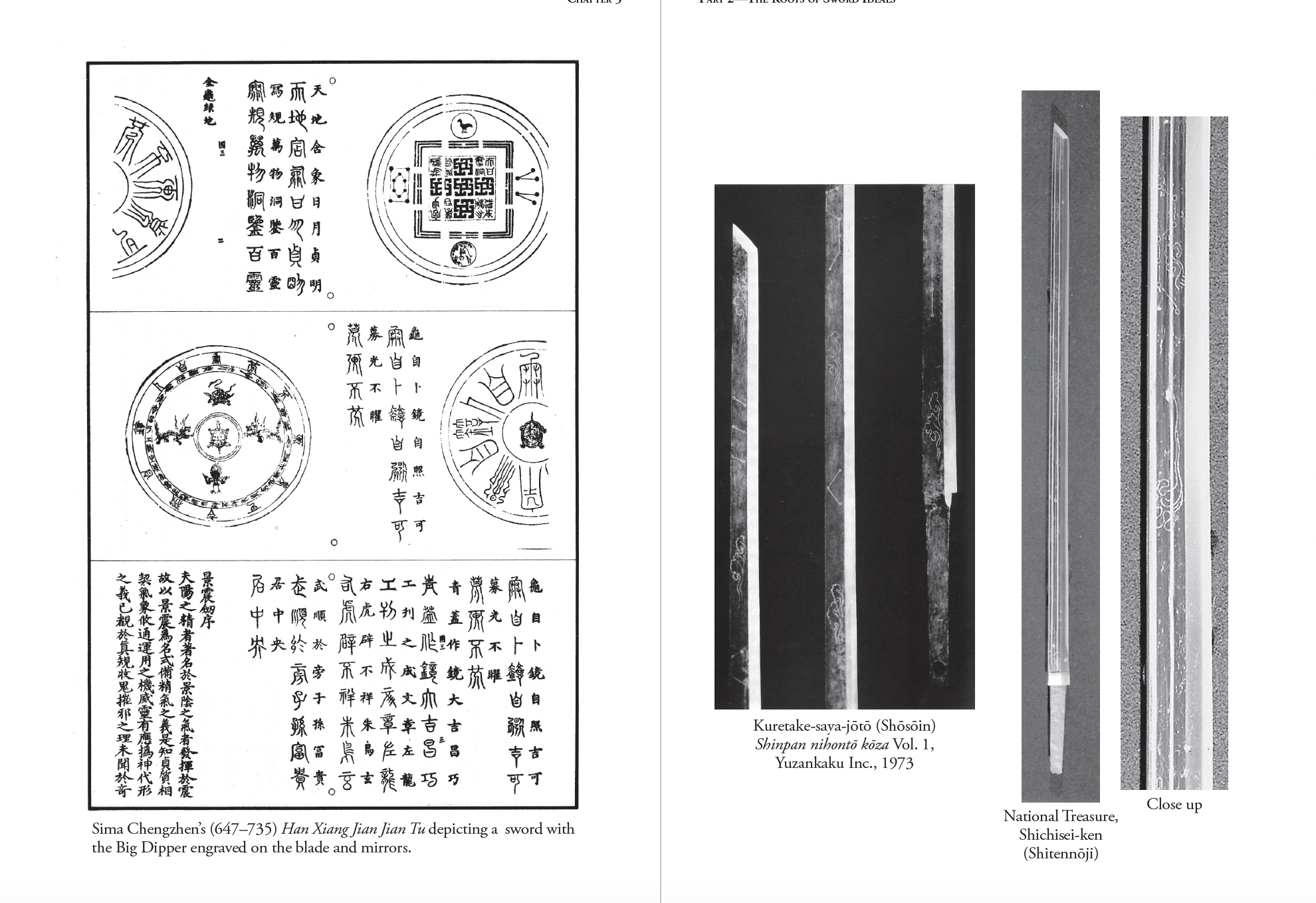
Chapter 5: The Sword in Taoist Thought
Chapter 6: Sword Ideals in Ancient Korea
Part 3 – The Formation of Mythical Imagery
Chapter 7: The Creation of the Mythical World and the Birth of Sword Deities
Chapter 8: The Sword Bequeathed from the Heavens–Futsu-no-Mitama-no-Tsurugi
Chapter 9: Connecting the Earthly and Heavenly Realms—Kusanagi-no-Tsurugi
Part 4 – Sword Ideology and Religiosity
Chapter 10: To Worship and be Worshipped
Chapter 11: “Hekija” Swords for Purging Evil
Chapter 12: Ukei Magic and Swords
Chapter 13: The Sword in Shugendo
Part 5 – Sword Ideals in the Middle Ages
Chapter 14: The Imperial Regalia
Chapter 15: The Three Sacred Treasures in The Tale of the Heike
Chapter 16: Kusanagi-no-Tsurugi in Taiheiki
Part 6 – Early-modern Sword Ideals
Chapter 17: Japanese Myths in Kenjutsu Texts
Chapter 18: Techniques of the Mystical Sword in Shintō-ryū Kenjutsu
Chapter 19: The ‘Sword of the Heart’ in the Jigen-ryū
Chapter 20: The Development of Sword Ideals in Early-Modern Kenjutsu
Part 7 – Swords Ideals in the Modern Era
Chapter 21: The Post-modern Sword Ideology
Chapter 22: Linking Antiquity with the Present —The Kashima Shrine Sword Dedication Ritual
Conclusion
Afterword
References
Index

No comments yet.