









Budo Bite 60: The Goldilocks Problem of Strength ~ Thoughts on Jū & Gō
The “Budo Beat” Blog features a collection of short reflections, musings, and anecdotes on a wide range of budo topics by Professor Alex Bennett, a seasoned budo scholar and practitioner. Dive into digestible and diverse discussions on all things budo—from the philosophy and history to the practice and culture that shape the martial Way.
As I head into another 8th Dan attempt, one of my senseis at keiko recently took me aside and emphasised the following theme to me again. Certainly not for the first time, and probably not for the last. Still, it’s the sort of reminder that is always worth hearing. What was it? Of course, there’s an old verse that’ll give you a clue.
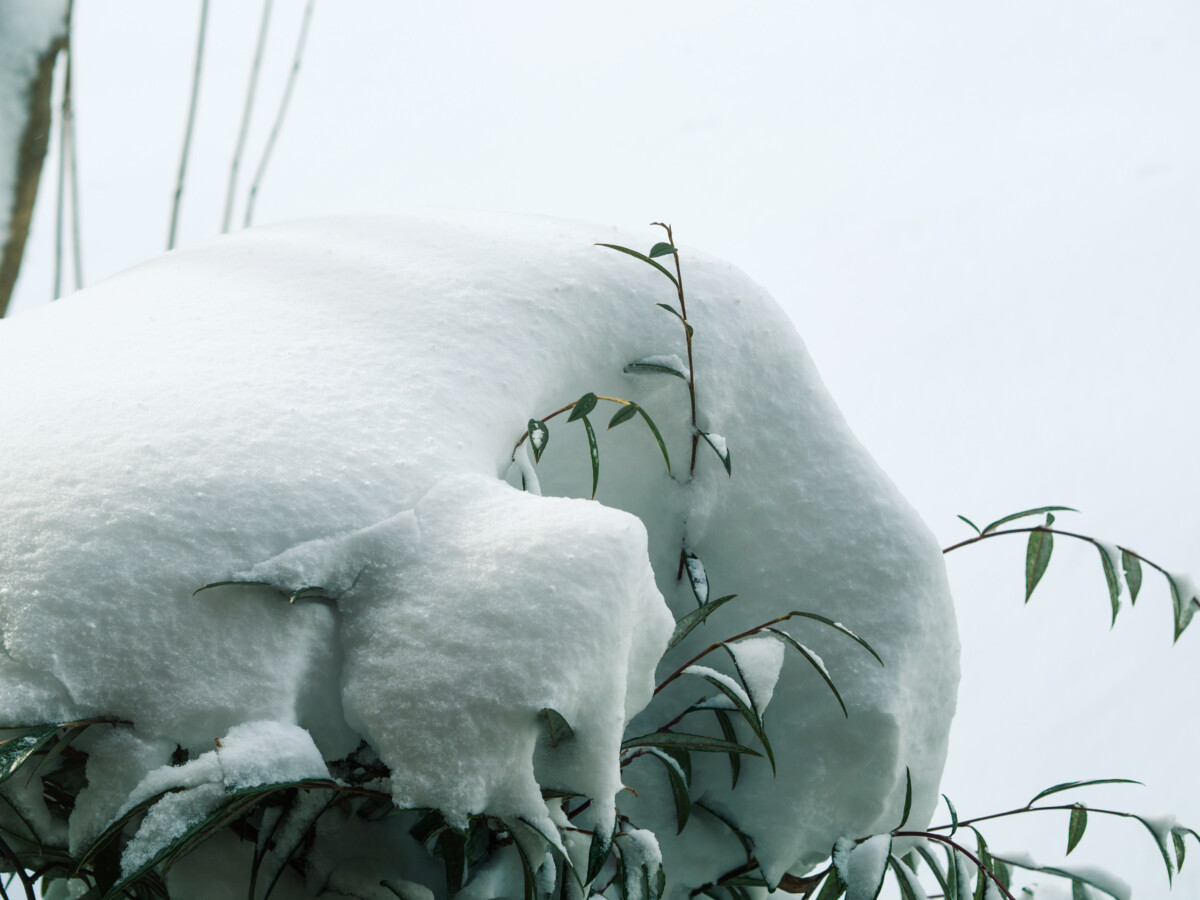
The bamboo that has been bent down gradually rises again; the snow that bent it leaves no trace.[1]
Snow piles up and forces the bamboo down. The bamboo bends. Then, as the snow melts, it comes back up as if nothing happened. The snow, which did all the pushing, disappears without a trace.
People often take this as some kind of moral lesson about endurance. Stick it out, weather the storm, blah blah. That’s all fine, but it’s not the most useful way to read it for budo. I think the interesting angle is more technical. This is all about the idea of jū & gō (柔と剛) = “softness and hardness”.
In judo, you hear about this idea constantly with the old maxim “jū yoku gō o seisu” — “softness controls hardness”. This is exactly what Kanō Jigorō was getting at when he established judo in the first place. Don’t waste energy fighting force with force when you can redirect it. You don’t just overpower people; you learn to use what’s already there, including your opponent’s intent.
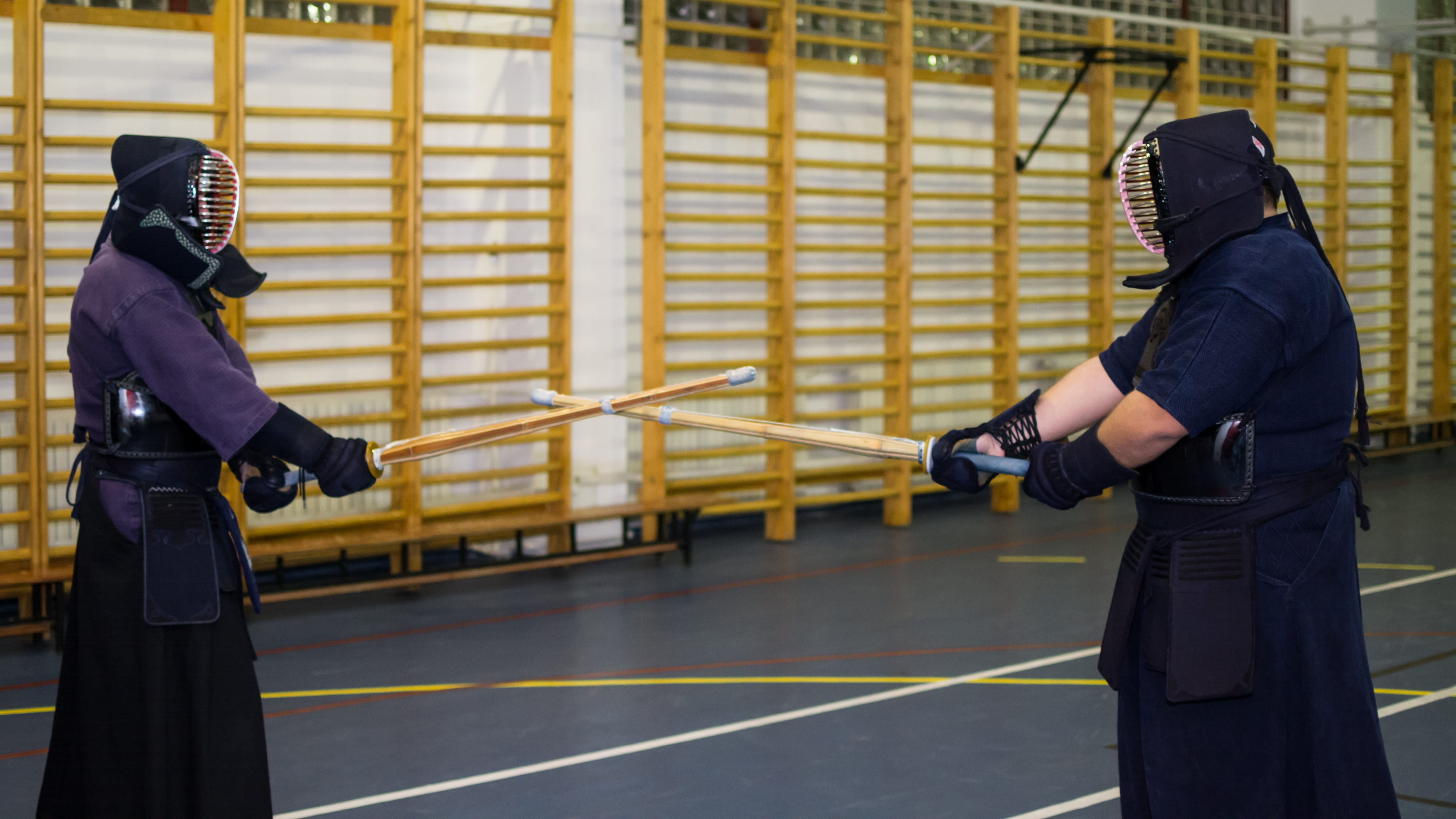
The whole business of kuzushi, breaking balance, sits right in the middle of this. You yield just enough to create instability, then apply structure at exactly the right moment. It follows a very simple logic: use what comes at you, and don’t argue with it. This is why, in theory, a smaller, weaker person can overcome someone bigger and stronger. Not by matching strength, but by refusing to play that game in the first place. My kendo teacher puts it in a way that’s a bit more blunt. “Get your opponent to strike at your head with 100% force”, he says, “and then if you hit their wrist with 1%. That makes 101%.” In other words, you are adding your strike to the full weight of their intention and movement. But you have to make them want to strike you in the first place. That’s essentially what it means to “strike their heart”. I think I’ve written about this before.
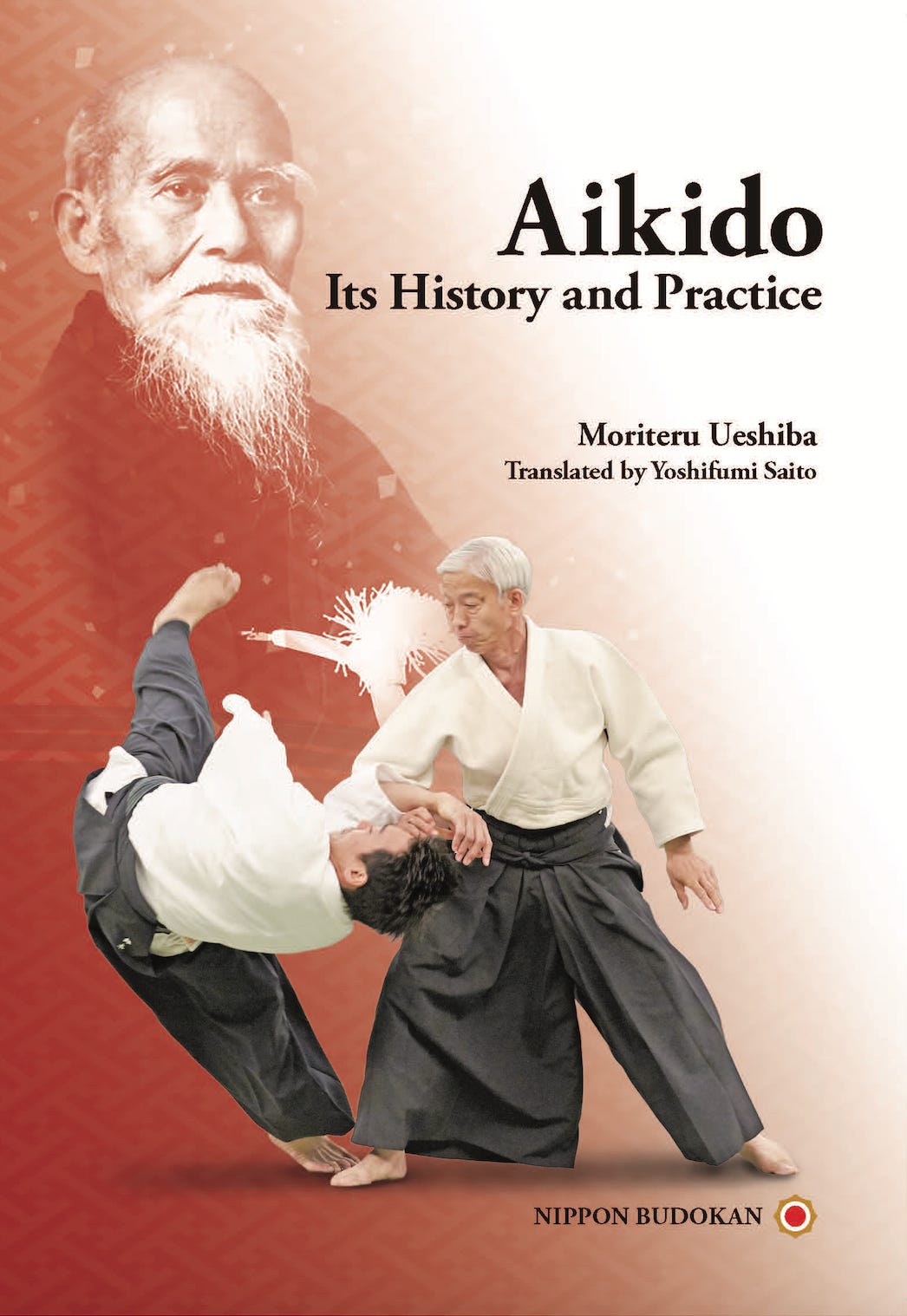
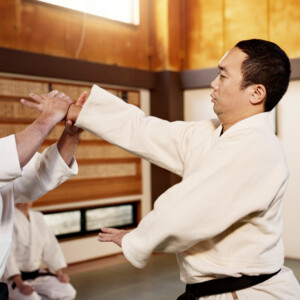
If someone pushes you and you push back, you’ve made it a strength contest. Sometimes that works, but sometimes it doesn’t, especially if the other fella is bigger or stronger. Judo and aikido avoid that problem. If someone comes in hard, you don’t meet it head-on. You give way, just enough to break their balance, and then you take it. Their force becomes the thing that throws them.
That’s what jū is. It’s not weakness, and it’s not the sort of limp surrender that leaves you looking like a burst beanbag. It’s controlled adjustment. In fact, the translation “softness” is a bit misleading. Jū doesn’t really mean weak or mushy. It means adaptable, yielding with purpose.
But, of course, it doesn’t pay to be soft all the time. You’ve got to have balance. Soft when you need to be soft. Hard when you need to be hard.
Kendo talks about this kind of thing with different expressions. For example,
- Aiki o hazusu (合気を外す) — “to break the opponent’s timing/connection”.
- Makeru ga kachi (負けるが勝ち) — “losing is winning”.
If someone comes at you hard in kendo and you try to smash straight through them, you may end up with a clinchy ai-uchi with no clear result. Which is where I was going off the rails again, apparently. Instead, I was reminded to match their ki without clashing, then shift, let them commit, and in that small gap as they begin to launch, take the centre and strike first. In other words: seme and apply pressure (hard), hold it (tame), then show just enough of an opening (soft) to invite them in, and strike as they’re about to, or have totally committed to taking the bait. That’s essentially jū in kendo. Putting your head on a platter without making it obvious.
But if the opponent is hesitant, drifting, or soft, that’s not the time to float around waiting for the perfect moment to descend from the heavens. You go straight through them. Clean, direct, no messing about. That’s the gō bit.
If you smash stone against stone, or press cotton against mushy peas, nothing gets decided. Hard against hard cancels out. Soft against soft pretty much goes nowhere. You need that contrast, and to be taking the initiative. If they are strong, you go soft. If they are soft, you go strong. It can sound contradictory, but in many traditional explanations, jū actually comes first. Not because it is nicer, but because without adaptability, strength never arrives in the right place. In practice, many people, myself included, get stuck at one end.
Some try to do everything with force. They hit harder, move faster, grip tighter. It works up to a point, then it doesn’t. Others go the opposite way. Too relaxed, too accommodating, always reacting, never taking control. Neither is the point. Jū and gō aren’t fixed traits as much as they’re responses to what’s in front of you.
So, the bamboo in that verse bends completely under the snow. There’s no stubborn resistance and it doesn’t try to prove anything. It just yields. But that’s not weakness. It’s the reason it survives and is able to come back up.
That’s the part people are prone to overlooking. The bending only makes sense because there is structure underneath it. If the bamboo were weak, it wouldn’t recover. It would stay down, or snap. Same in budo. Yielding only works if you have something to return to. If your posture, timing, and intent are not there, “being soft” just means getting run over.

I’m committed to keeping my work freely accessible to all budo enthusiasts, wherever they are. If you’ve enjoyed what you’ve found here and would like to support my ongoing efforts and projects, “buying me a coffee” (beer actually), or my books, would make a world of difference. You can also support the construction of my dojo in Kyoto in the Shop Tab. Cheers!
Under pressure, many people tighten up and everything gets a bit ugly. The instinct is to fight your way out of it. Usually that just makes it worse. Better to settle, let it come, and then deal with it properly. But that doesn’t mean doing nothing. It means not interfering unnecessarily. Of course, if all you ever do is yield, you become predictable. The opponent dictates everything and you can never impose yourself which isn’t much of a strategy.
There is always a moment where you have to commit. In judo, it’s the throw. In kendo, it’s the cut. That moment has to be decisive. Half-hearted action doesn’t work. If you’re going to go, you go properly. That’s gō.
The difficulty is not understanding the idea. Anyone can nod along to “be soft against strength, be strong against softness”. The difficulty is timing it. Knowing when to shift from one to the other. That only comes from experience. Usually the unpleasant kind!
There’s also a mental side to this. Yielding is not some sort of cowardice. It actually takes more composure and courage to yield properly than to lash out. If you don’t believe that, spend a few rounds with someone who is better than you. The instinct is to resist everything, and that’s when you get dismantled. We’ve all been there, and that’s precisely where we learn.
To stay calm, to give way without losing your shape and wait for your moment, that takes control. In that sense, jū and gō are not just technical tools. They reflect how you deal psychologically with pressure. Too much gō and you become rigid, easy to read, and eventually easy to break. Too much jū and you drift. No presence. No impact, easy to read, and eventually easy to break. The aim is to move between the two without getting stuck. On their own, gō becomes brittle and jū becomes hollow. The skill is not choosing one over the other, but knowing when to switch.
Judo makes this principle obvious because you can feel it immediately. Kendo hides it a bit more, but it’s there all the same. Across all budo, it keeps coming up in different forms.
Karate makes it even more explicit in some schools. Take Gōjū-ryū, for example. The name itself spells it out. But again, this isn’t a neat fifty-fifty split where you do a bit of each and call it a day. It’s integrated. The breathing methods alone tell you that. The ibuki breathing in the Sanchin kata is all tension, structure, compression. That’s gō. Everything is locked in, the body becomes a single unit, and nothing leaks. Then you look at the more flowing movements, the circular blocks, the way force is absorbed and redirected. That’s jū. It yields, but not passively, and shapes what comes in. The point is not to choose one. It’s to understand when each is appropriate.
Which brings you back to the bamboo. It bends because that is what the moment requires. But the reason it rises again is that it was never weak to begin with. It yielded without collapsing. That, really, is the whole point. In budo, as in most things worth doing, stubbornness is often mistaken for strength, and passivity mistaken for softness. They are not the same. Real softness has judgement in it. Real hardness has control. One receives, the other finishes.
So, the lesson my teacher was reminding me of was not to become gentler, nor to become fiercer. It was to stop being predictable. When the pressure comes, there’s no need to always meet it like a gormless idiot and freeze like a deer in the headlights. Bend when you should bend. Hold when you should hold. And cut when the time is just right.
Easy enough to write, which is my way of getting my thoughts in order. Much harder to do at speed, with someone trying to take your head off. Which is precisely why we need to keep going to keiko.


[1] Taosare shi take wa shidai ni okiagari / Taose shi yuki wa atokata mo nashi (倒されし竹は次第に起きあがり/ 倒せし雪はあとかたもなし) in Shiryō Nihon Kendō, edited by Tomita Yoshinobu (1982, p. 110).
No comments yet.