







Budo Beat 71: Looking at a Far Mountain – Mental Gymnastics On Intent
The “Budo Beat” Blog features a collection of short reflections, musings, and anecdotes on a wide range of budo topics by Professor Alex Bennett, a seasoned budo scholar and practitioner. I compose digestible and diverse discussions on all things budo, from the philosophy and history, to the practice and culture that shape the martial Way.
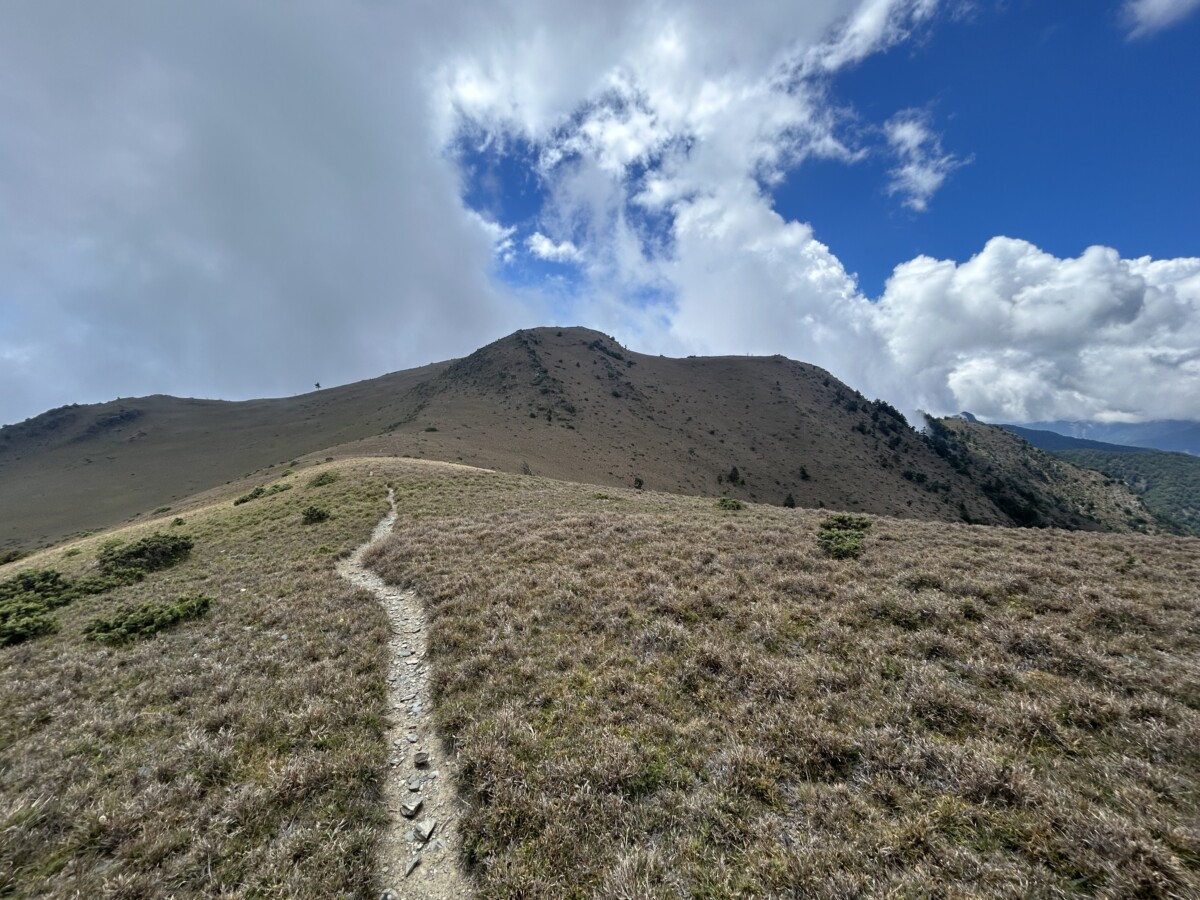
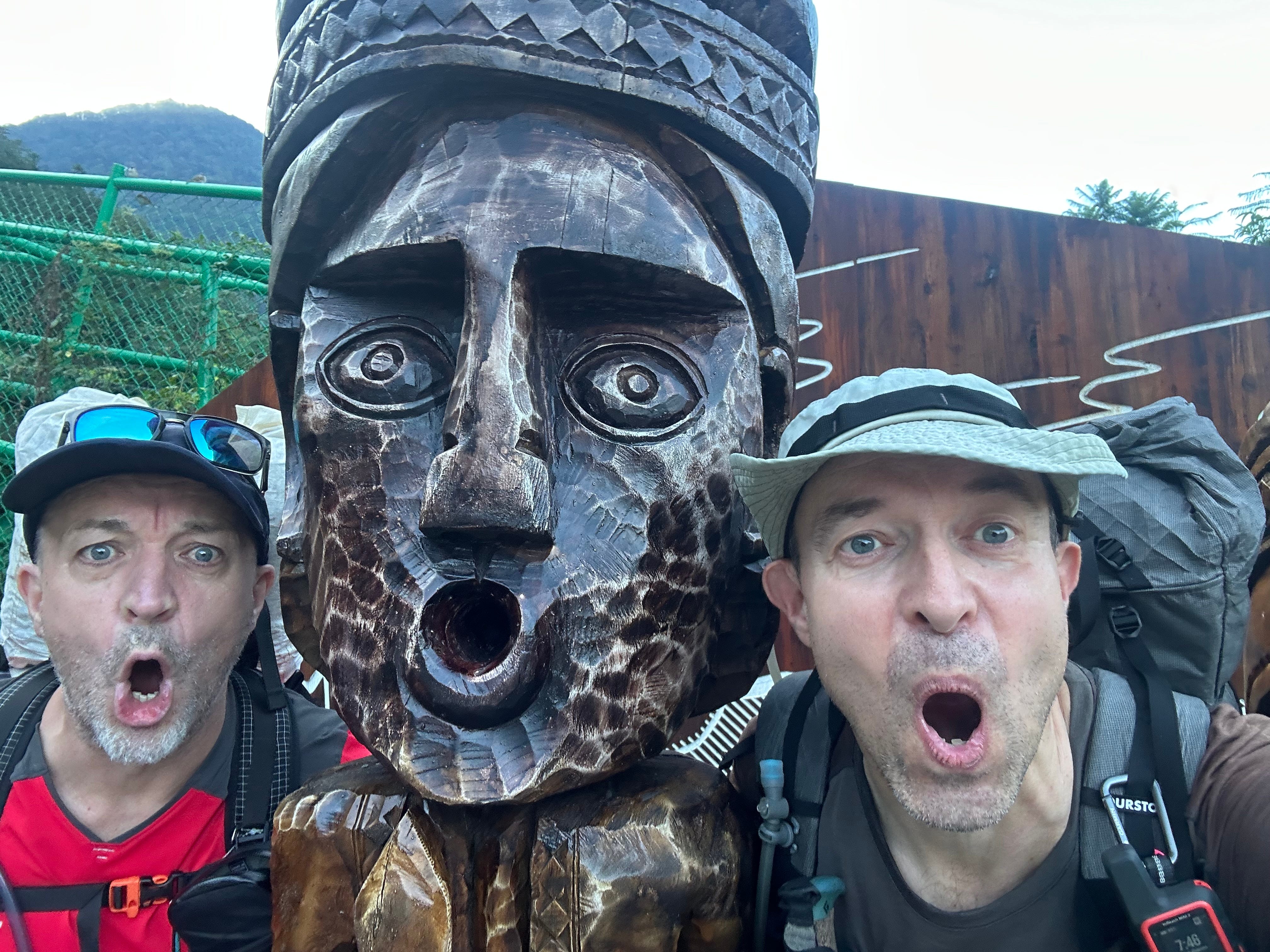
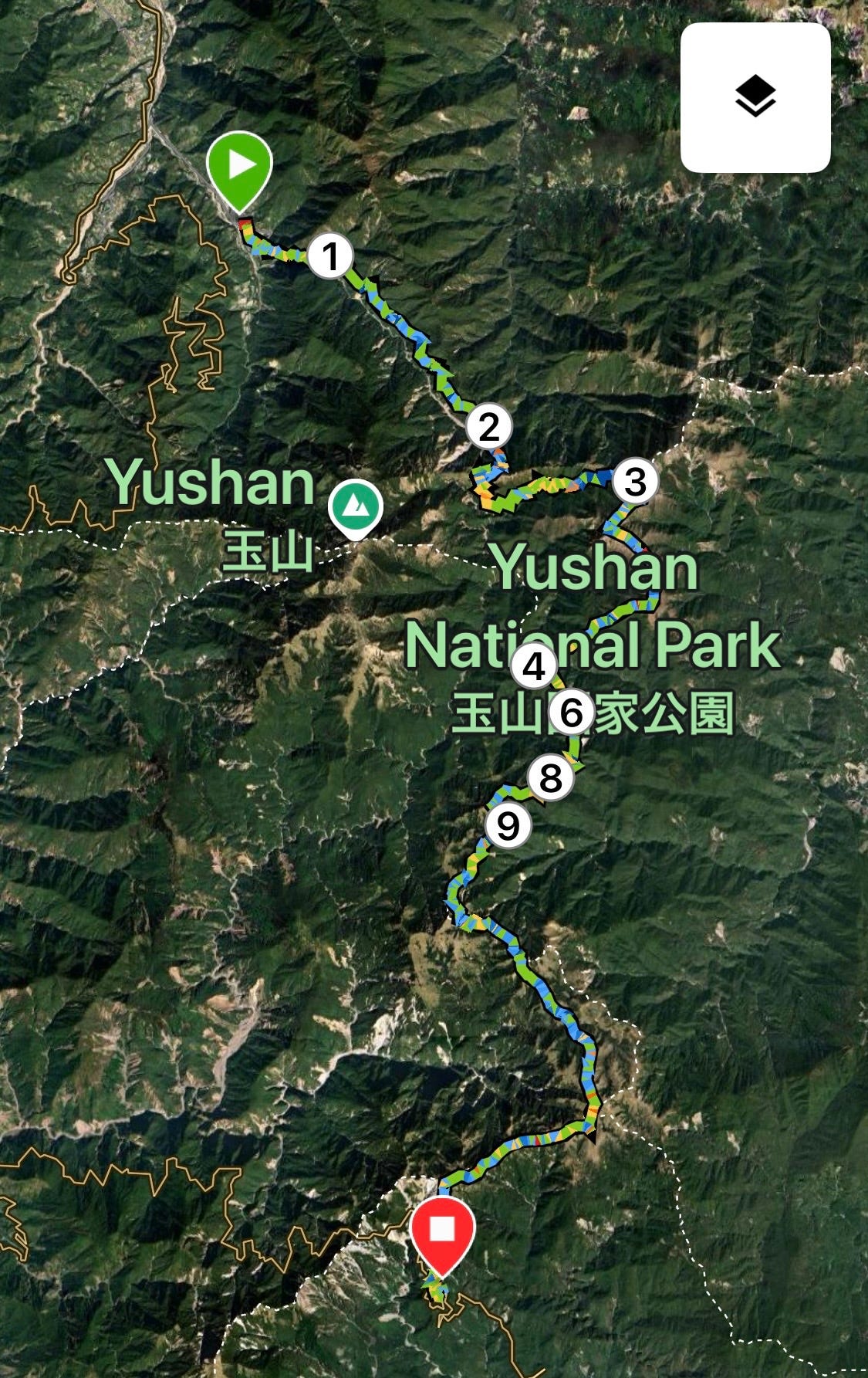
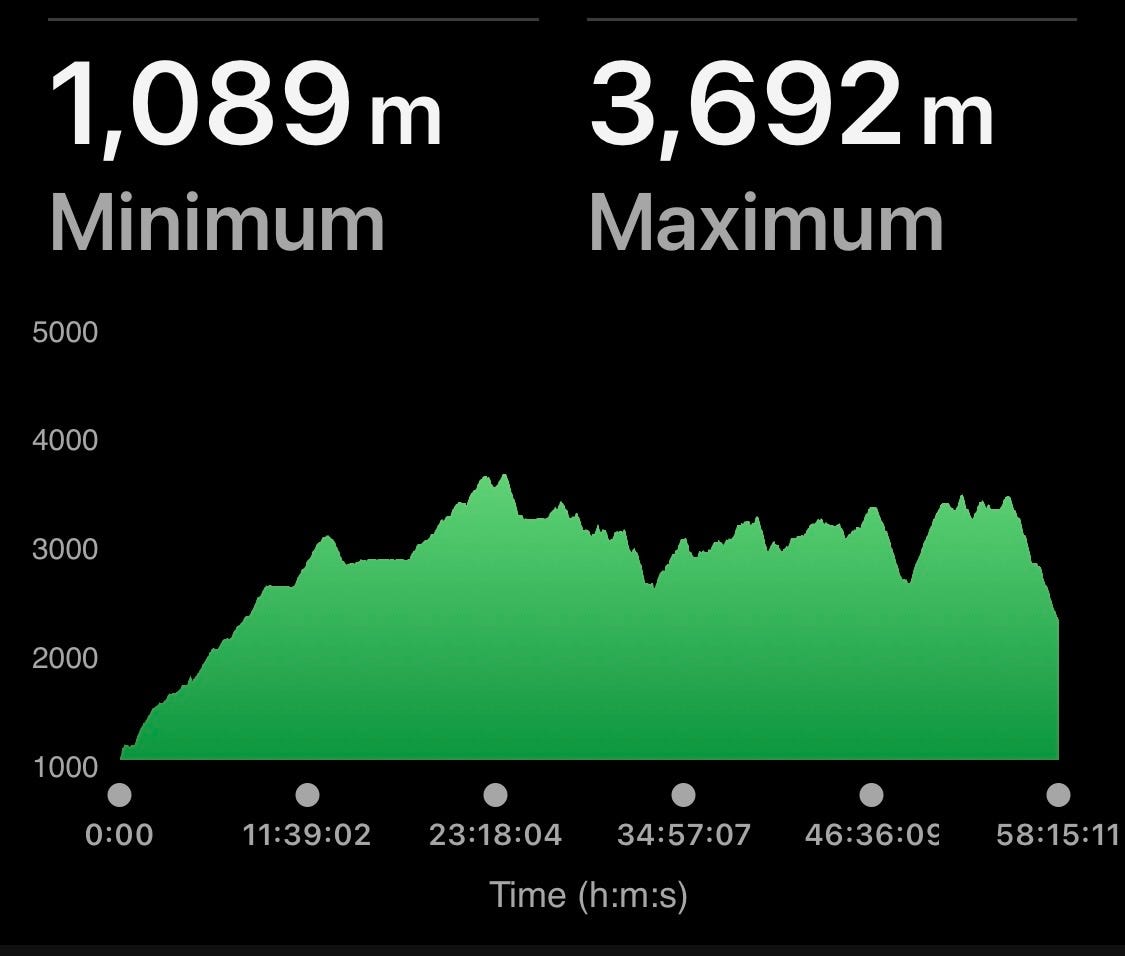
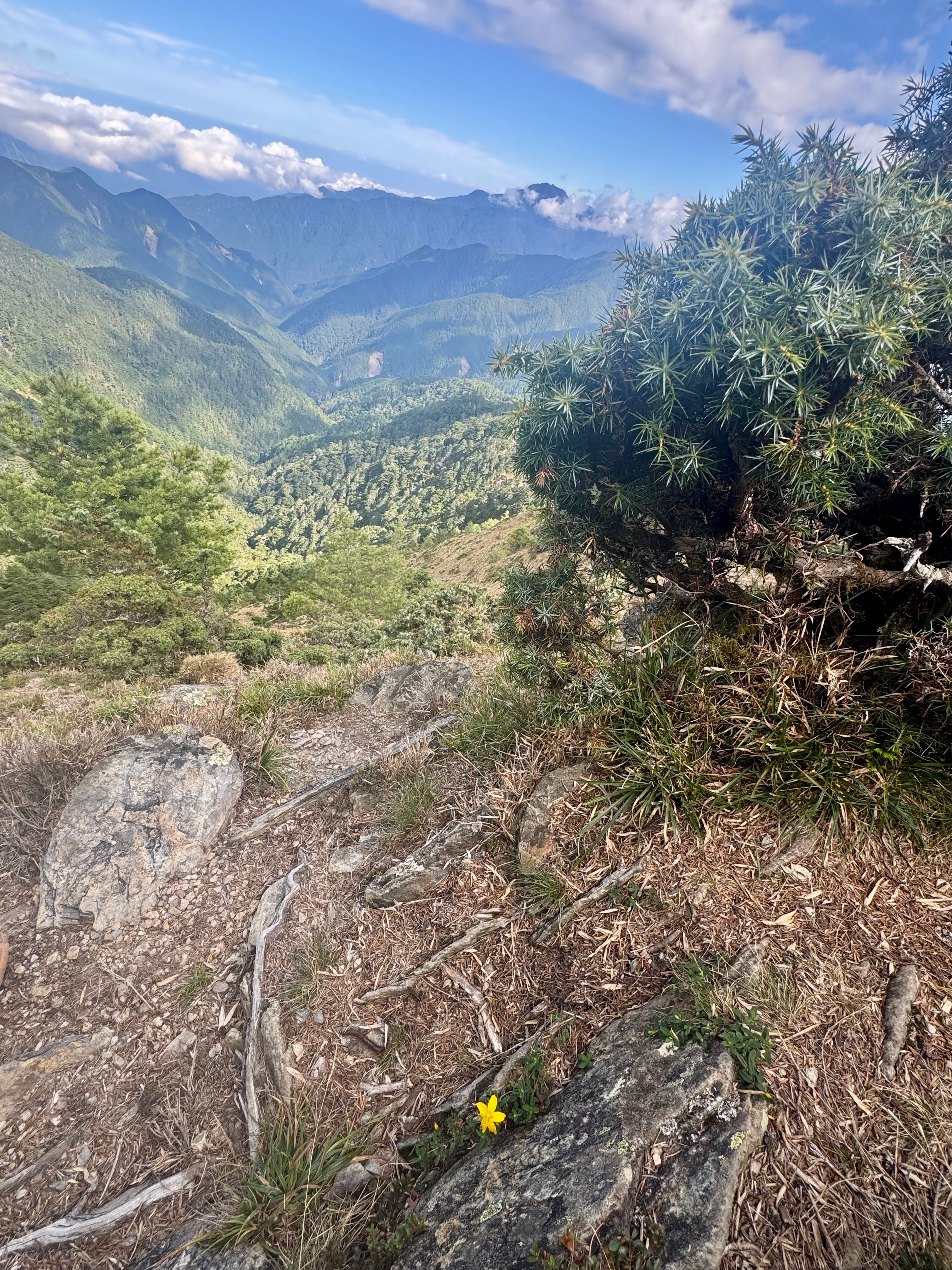
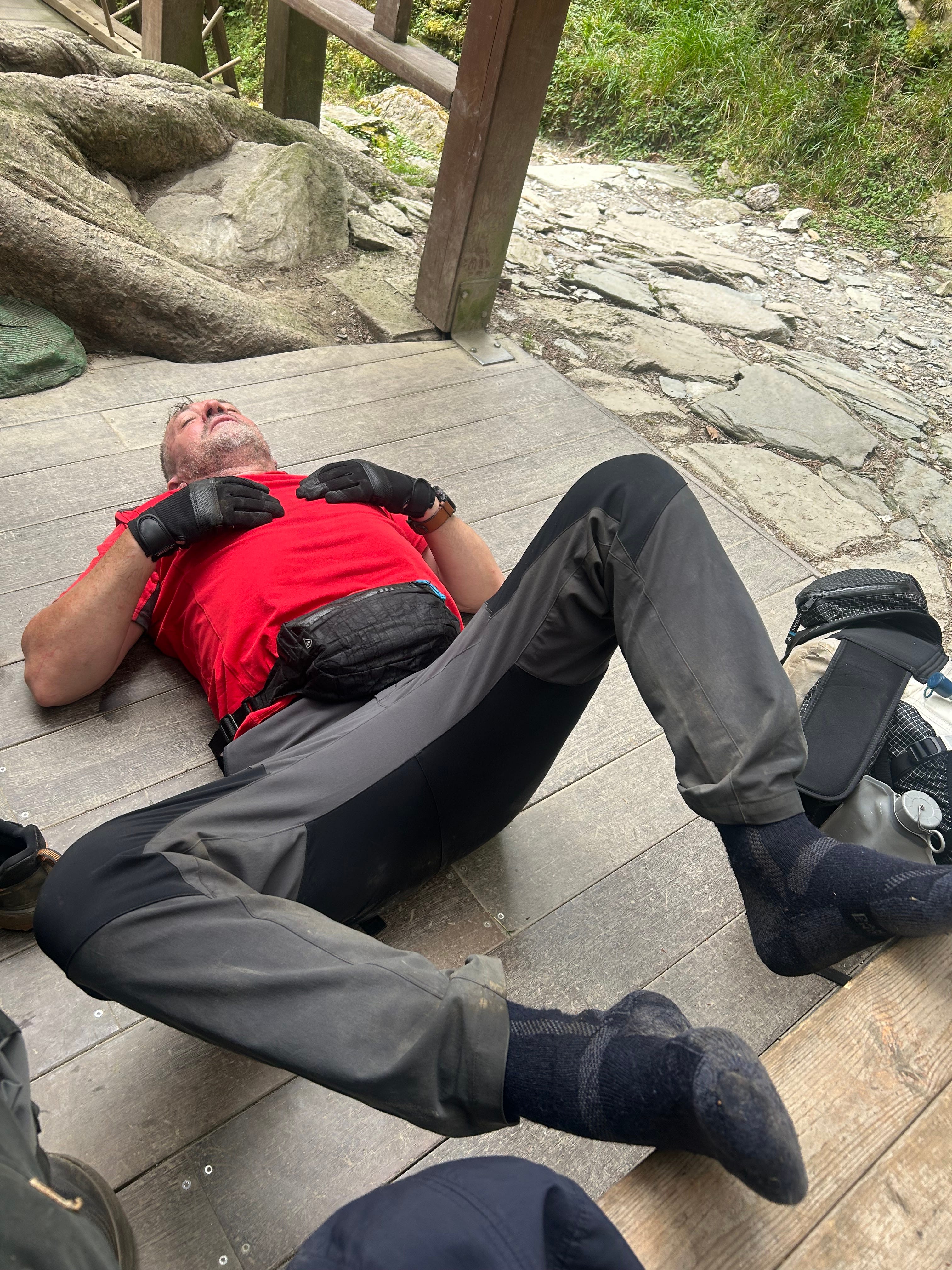
It’s been a while, but for good reason. In the dying days of the university summer holiday, I found myself in the highlands of Taiwan negotiating a twenty-kilogram pack, and wondering which momentary lapse in judgement had brought me there. Still, it was a jolly good chance to clear my head and push the old reset button. I was starting to NOT see the wood for the trees in my training. So why not head into nature for even more wood and trees? My Kiwi mate Hamish and I spent six days on and around the historical Batongguan Trail, trudging roughly 100 kilometres through the wilderness, with more than 7000 metres of accumulated ascent. It sure sounded like a great idea over a few beers… But man, it was bloody hard yakka. Fortunately, the weather was amazing for the entire week.
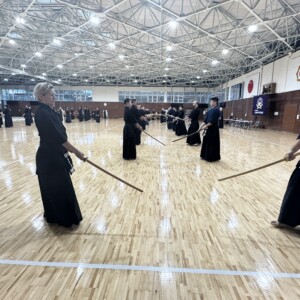
Of late, I must admit that my kendo has reached a frustrating impasse. After the recent 8th Dan examination in Nagoya, I’d been left with an awful lot to ponder. Feedback from a couple of examiners was quite useful, as one would expect. As I covered in a previous blog, my first bout had gone pretty well. But in the second, I tried too hard, I was told, to “manufacture sen”. Broadly speaking, “sen” is taking and maintaining the initiative over your opponent, so that you shape what happens rather than simply reacting. But, instead of allowing the encounter to develop naturally, I apparently began forcing the issue. The more I tried to “create” initiative, the more artificial my kendo became, and the less sen I actually had.
That problem has been bothering me for the weeks since. Sen is yet another one of those crucial concepts that becomes progressively obscure the more you think about it. At the most basic level it’s usually explained as “[taking the] initiative”, but that definition only scratches the surface. At higher levels you can see how it is inextricably enmeshed with other parts of the budo mechanism like seme, maai, aiki, okori, and the ability to make the opponent move. All of this sounds perfectly reasonable, but once you start thinking too consciously about each component, you end up trying to “perform” rather than actually just “doing”.
That’s been happening to me a lot in training recently. I know what I’m supposed to be doing. Taking the initiative, controlling the distance, pressing the opponent to make them react, detecting the beginning of their movement and then instantly icing the cake with that decisive, munting strike. The problem is that these components have almost become a checklist of sorts as I confirm my performance. And, the moment any budo combat component becomes a part of a checklist, the relationship with the opponent starts to fade.
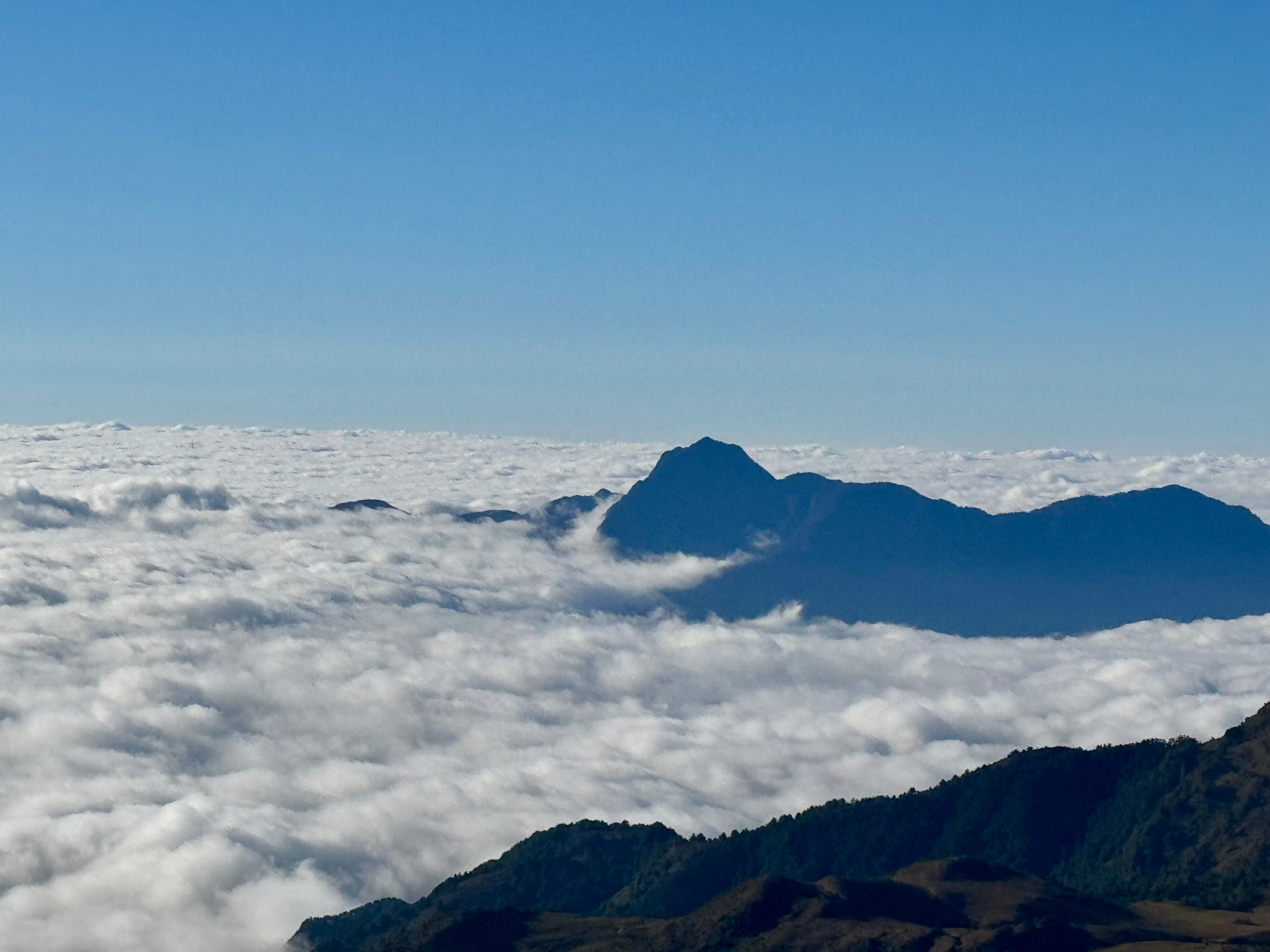
A foray into the Taiwanese mountains offered me a unique slant to take on the problem. When my legs went into overdrive, so did my brain, deconstructing things and tackling philosophical conundrums to overcome the tedium of the trudge.
When you’re walking for ten hours a day with a heavy load on your back, you quickly learn that you can’t force the terrain. You may know where you’re going (well, most of the time), but it’s the mountain that decides what the next step looks like, and you’d be pretty wise to work with it. A steep uphill slope definitely shortens your stride and slows your pace right down. Loose and slippery rocks dictate where you place your foot, as does rain or early-morning dew. And “jelly legs” through exhaustion can be really dangerous, and make it damned hard to keep your balance.
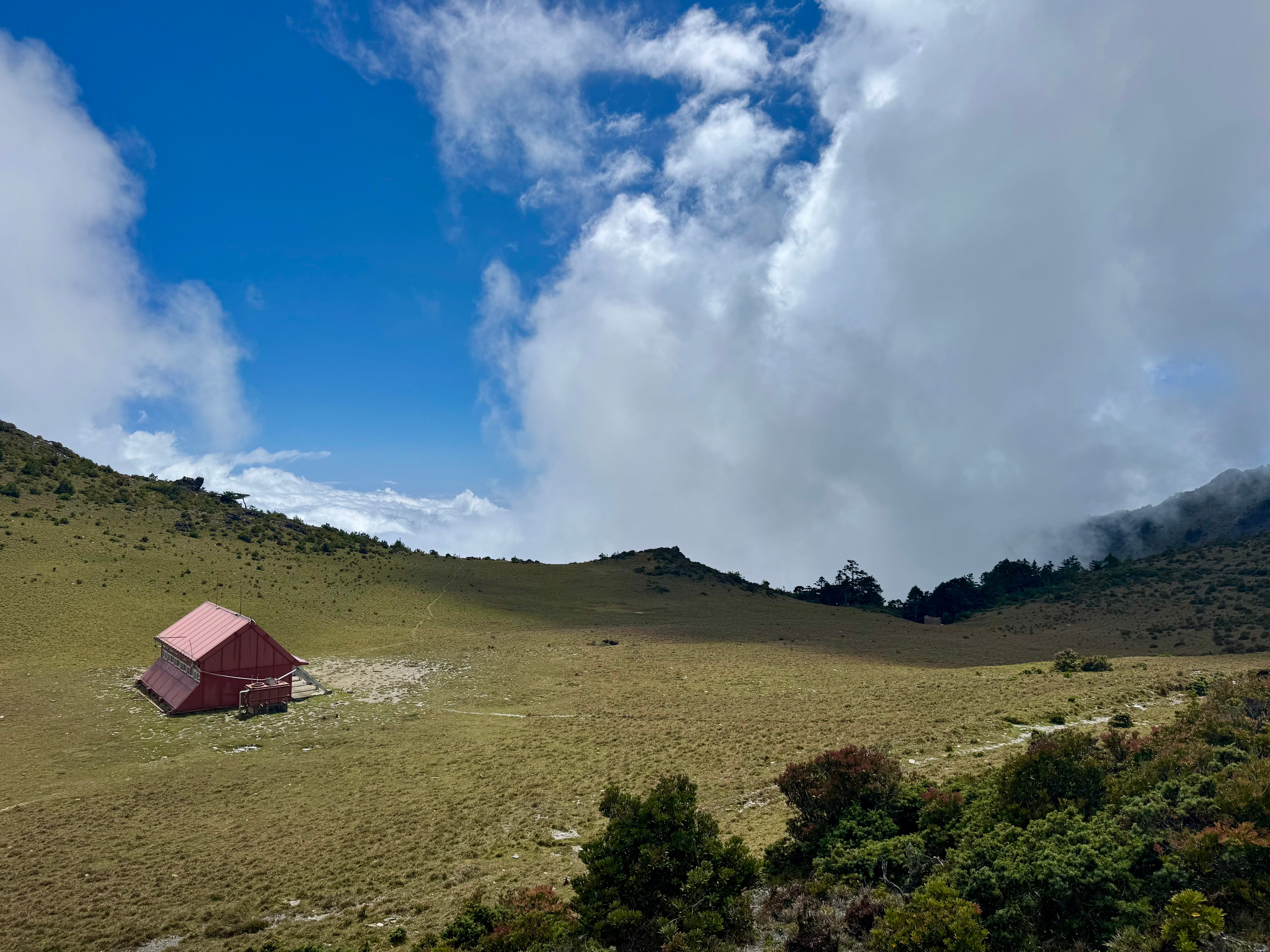
Particularly where we were traversing, sections of trail were washed away or narrowed to the point where we had to change our line and approach completely. Go with the flow and zanshin, zanshin, zanshin. You still have the destination in mind, and you’re constantly moving towards it, but the actual form of each step is dictated by what’s in front of you.
The whole undertaking began to remind me of something T-sensei has been driving home to me in recent months at the Butokuden: “Take sen while working with the opponent.” It sounds somewhat nebulous, even slightly contradictory. I mean, I know what he means, but when you really break it down it becomes inconveniently less obvious. It was high time (pun intended) to go back to basics and ask ‘stupid’ questions of myself. If I take sen, surely that means I’m imposing my initiative. I’m in control. But if I’m working with the opponent, then surely I’m reacting, ergo it’s the opponent who has the sen… Qué?
But rambling through the mountains made my rambling brain realise that the distinction is much less important. I was always moving in my own designated direction. That was my intent. But, I was also continually receiving information from the terrain. The direction was mine to decide, but the mountain’s character and quirks determined the timing and shape of each movement.
Mulling this over as I made my way, it struck me as a useful angle to try and get to the bottom of sen. The problem is not whether you move first in a crude temporal or physical sense. The important thing here is that your intent is already engaged. You are not standing there impassively waiting for the opponent to provide a cue. You are already in the encounter applying pressure, moving mentally and physically towards the decisive moment. But you are also receiving heaps of information as you go.
In the context of budo, the distance changes, your opponent moves, and the kensen shifts ever so slightly in different directions. As the pressure hits home, something begins to emerge. And there, if you are genuinely connected to the opponent as I was engaged with the mountain, you don’t have to “manufacture” the opportunity. It just happens.
That idea kept returning to me in various iterations during the tramp. “Sen is NOT rushing ahead to put the opponent under pressure. Sen is already mine if my intent is genuine and focussed, just as it was when I was climbing.” It’s an ever-so-subtle paradigm shift in mind and body compared to my usual approach. The mountain gave me a different lens to think about the problem. Maybe, just maybe, this is another important piece of the puzzle?

I’m committed to keeping my work freely accessible to all budo enthusiasts, wherever they are. If you’ve enjoyed what you’ve found here and would like to support my ongoing efforts and projects, “buying me a coffee” (beer actually), or my books, would make a world of difference.
I don’t know TBH, but it seems to be a piece that I’d lost sight of in my training (and my previous examinations). Rushing ahead (in mind and/or body) to get stuff done is the fundamental flaw of impatience. Despite surface appearances, it’s not genuine sen. You’ve decided that something’s gotta happen, and you begin forcing the encounter towards it. Being already on the way is different. Your direction is clear, but the timing remains responsive. You are committed without rigidly forcing it.
Another thing the tramp reminded me of was good old “economy”. Dragging 20 kilograms day after day has a way of highlighting every unnecessary movement. Poor posture means sore shoulders and back, and wasteful steps are knackering. If you charge up an incline too hastily, you pay for that too. Gradually, the body begins to simplify things. You shorten your movements, settle your breathing, and stop doing anything that doesn’t contribute directly and positively to onward progress. You learn to pace yourself, albeit with intense focus on “the now” remaining in play.
That also very much corresponds with my kendo now. There’s always a temptation to add more. As I wrote in a previous blog, however, for me the answer lies in the opposite direction. That is, remove to improve. Somehow minimise unnecessary preparatory movements even further, kick the urge to show the examiners that I understand sen (and all the other stuff), get rid of any extra tension in my kamae and shoulders, and disconnect that maddening mental commentary… A heavy pack teaches this very effectively because the cost of superfluous movement in body and mind is immediate. It hurts.
There’s an old budo poem that suddenly seems rather less cryptic to me now. I haven’t introduced a budo poem for a while, so here it is.
Take sen. Do not let sen be taken from you. Hold sen. Only by casting yourself aside does a way through appear.[1]
I agree it’s on the cryptic side, but the last part is important. Mi wo suteru, “casting yourself aside”, doesn’t mean charging ahead throwing yourself recklessly at the opponent (mountain) and hoping for the best. It’s closer to letting go of the “calculating self” that insists on controlling what happens next. Perhaps that was precisely what I had been doing in my keiko and examinations. I was so intent on demonstrating sen that I was getting in its way. The more I tried to “manufacture” the right encounter, the less I was actually in it.
The tramp also reinforced something else that has become important to me. “Don’t stop walking”. Of course, we stopped all the time to gobble handfuls of scroggin, rest and hydrate, take photographs, and just to breathe! What I mean here is that the direction never disappeared. Even when we physically stopped, which was a lot, the actual journey had not reversed in any way whatsoever. Every single thing we did somehow contributed to progress.
It sounds almost cliched, but the same is true in the budo mindset. “Not retreating” does not necessarily mean “charging forward”. Similarly, “taking sen” does not mean “attacking constantly”. There can be stillness without passivity, and waiting without surrendering initiative and intent. The only thing that really matters is whether or not intent collapses. If the intent is still “walking”, the encounter is still very much alive and you have sen.
In my usual training I often find myself engaged with ideas of “what the encounter ought to look like”. Mountains certainly don’t let you get away with that kind of abstract performance for very long. You can have all the lofty theories you like stored in your head, but if your smelly foot goes on the wrong rock, the mountain will give you a sharp, sometimes painful correction. You just can’t fake it, and there’s something thrillingly honest about that.
There’s also a learning in the way you think about the destination. On a long climb, constantly looking towards the summit is tempting, but also very draining. Sure, the summit gives you direction, but if you judge every step according to how much closer it’s brought you to the top, it is nothing short of oppressive. You learn to stop agonising over the summit(s) and attend to the ground right in front of you. And before you know it…
That may be the right approach to my next 8th Dan attempt as well. I know where I’m trying to go, so there’s no need to stare at the destination. My job is to stand strong and focussed with my intent intact, breathe, maintain the connection and happily accept what the opponent dishes out to me. If the opportunity is there, I take it without thinking too much about it. That’s how I climbed.
So, in the final analysis, I didn’t get through the mountains of Taiwan by imposing myself on them. I kept to my direction while the terrain retained the privilege of deciding the moment and form of each step. Somewhere in all that sweating, swearing and staring suspiciously at the next slope, I began to understand what T-sensei has been trying to pass on to me. Hold your own sen, but work with the opponent (aiki). Know where you’re going, but don’t rush. Let each moment tell you how to get there. The mountains, naturally, knew this all along. I can’t say I fully get it yet, but I’m looking forward to tonight’s keiko to give it a go. Onwards and upwards!
[1] 先を取れ、先を取らるな、先を取れ。身を捨ててこそ浮ぶ瀬もあれ (Sen o tore, sen o toraruna, sen o tore. Mi o sutete koso ukabu se mo are) in Kumamoto Jitsudō, Budō Kyōhan (Buyōkan, October 1895), p. 71.


No comments yet.